Lighting Ecosystem
Filter Products
Types
+Power Distribution
+Power Control
+Power Accessories
+Statuses
+Series
+Product Region
+Intelligent power control for modern lighting.
A modern lighting ecosystem requires more than just power. It needs intelligent, distributed control that integrates seamlessly with lighting consoles and automation systems. LynTec provides the critical infrastructure to connect, protect, and manage fixtures, projectors, and other loads directly over DMX and RDM networks.
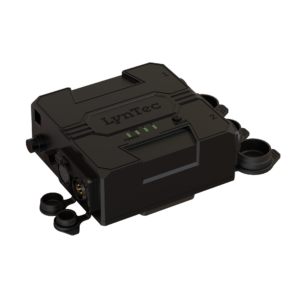
By placing rugged, IP-rated control devices like the Dual DMX Relay (DDR) near the equipment, you can eliminate long, complex power runs, reduce installation time, and gain precise control over every element in your design. This modular approach ensures your system is both scalable and easy to manage.
Engineered for lighting integration.
Place control directly at the load.
Integrate with standard lighting protocols.
Built for the rigors of production.
Your questions, answered.
Yes, many of our lighting ecosystem products are designed for demanding environments. The Dual DMX Relay (DDR), for example, features a rugged, IP-rated enclosure that protects its internal components from the elements. This makes it a reliable choice for outdoor architectural installations, temporary events, and touring productions where dependability is critical.
No, a gateway is not required. Our DMX-controlled products are designed with native DMX and RDM intelligence. You can connect them directly to your existing DMX network, and they will be discoverable and addressable from any standard lighting console. This approach simplifies the system architecture and removes a potential point of failure.
Our lighting ecosystem components are engineered to integrate directly with professional lighting consoles and automation systems using standard protocols. Products like the Dual DMX Relay (DDR) offer native DMX and RDM control, allowing for plug-and-play connectivity. This eliminates the need for gateways or custom programming, simplifying system design and commissioning.
A distributed power design simplifies installation by allowing you to place control exactly where it is needed. Instead of running numerous individual power circuits from a central electrical room to each fixture location, you can run a single, higher-amperage circuit to a distributed relay box. This reduces conduit, wire, and labor, resulting in a faster, cleaner, and more cost-effective installation.
The optional 2-pole, 30A relays are specified for controlling 208V or 277V loads, which are common in commercial lighting systems. Using factory-installed 2-pole relays within the RPCR panel simplifies the electrical design and installation by eliminating the need for external 2-pole contactors, keeping all switching control within the LynTec infrastructure.
Placing control relays near the fixtures, a key feature of our lighting ecosystem, significantly simplifies infrastructure. This distributed approach reduces the length and complexity of power cabling, which minimizes voltage drop and saves on material and labor costs. It’s an efficient way to manage power for fixtures spread across a large venue, truss, or architectural feature.
LynTec DMX-controlled relays are designed to manage power for a variety of distributed loads. This includes LED lighting fixtures, video projectors, practicals, and other powered equipment that requires addressable on and off control. Products like our Dual DMX Relay provide two 16A outputs, offering robust capacity for professional lighting and AV gear.
LCRP panels are engineered to switch high-amperage, non-dimmable lighting loads. The robust 30A relays are ideal for controlling power to LED video walls, architectural fixtures, moving lights, practicals, and special effects that require simple on/off control integrated with lighting cues. They are specifically designed to handle the high inrush current common with modern LED power supplies.
The LC Series integrates DMX control and power distribution into a single, familiar panelboard. This approach saves significant wall space, reduces hardware costs, and simplifies installation by eliminating the need to wire between a main distribution panel and a secondary relay panel. It creates a cleaner, more efficient, and robust power infrastructure for your lighting system.