
RPC
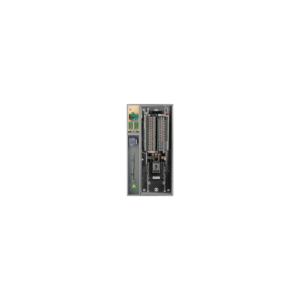
A scalable, web-enabled breaker panel system for facility-wide power control and sequencing in large AV and lighting installations.
Filter Products
Types
+Power Distribution
+Power Control
+Power Accessories
+Statuses
+Series
+Product Region
+ABOUT THE RPC SERIES
Centralized power control for every circuit in the facility.
The RPC series is a modular power control ecosystem built around network-enabled breaker panels for simple, scalable management of complex installations.
The RPC system provides a complete power control infrastructure managed from a single web interface. A master panel contains the system intelligence, while cost-effective secondary panels expand circuit capacity up to 168 breakers. This modular design allows integrators to build a right-sized solution for any performance venue, house of worship, or broadcast facility.
With native support for IP, DMX, and sACN, RPC panels integrate directly into existing control systems. Built-in features like automated sequencing, brownout protection, and UL 924 emergency egress control ensure that connected equipment is protected and code-compliant, all without requiring on-site factory commissioning.
WHY IT MATTERS
Engineered for large-scale control.
01
Scalable architecture from one panel to 168 circuits.
Start with a single RPC Master Panel and add RPS Secondary Panels as your system grows. This modular approach provides a cost-effective path to control an entire facility from one web-based interface.
02
Universal control protocol support built-in.
Control your power system using the protocols you already use. Native support for DMX, sACN, IP (HTTP, Telnet), and RS-232 is standard, with optional BACnet for seamless building management system integration.
03
Automated protection and simplified compliance.
Protect sensitive equipment with automated power-up sequencing and brownout protection. An ETL listing to UL 924 for emergency lighting control simplifies meeting life safety code requirements.
FAQ
Your questions, answered.
Common questions about the RPC breaker panel system.
Are these cables compatible with all LynTec power control panels?
Yes. Our power cables are designed for guaranteed compatibility across the entire LynTec ecosystem. This includes our RPC remote control breaker panels, PDS power distribution sequencers, NPAC rack-mounted panels, and other related infrastructure.
Using our cables ensures a secure and reliable physical connection, simplifying the installation process and providing peace of mind that your power chain has no weak links.
Can a single system manage sequencing across multiple panels?
Yes. In an RPC system, the master panel serves as the central brain for the entire power infrastructure. From its web interface, you can configure circuit-level sequencing with user-defined step-rates that apply across the master panel and all connected secondary panels. This ensures a coordinated and safe power-up sequence for all connected AVL equipment.
Can I expand a power control system as a facility grows?
Yes, our systems are designed with a modular and scalable architecture. For facility-wide control, the RPC system starts with a master panel and can be expanded with RPS secondary panels to manage up to 168 circuits from a single interface.
For rack-based applications, up to ten NPAC units can be networked together to operate as a single, synchronized system. The XPC series further extends this modularity, allowing you to add remote relays anywhere on the network and integrate them into an existing panel installation.
Can I use modules to add more controllable circuits to my panel?
Yes, in compatible panels with available expansion slots. Certain LynTec panels, like the RPC series, are designed with a modular backplane that can accept additional relay or solid-state driver modules. This allows you to increase the number of controlled circuits after the initial installation.
This scalability is ideal for phased projects or venues where future expansion is anticipated. It provides a cost-effective path to grow your system’s capacity without replacing the core enclosure and power distribution infrastructure.
Can the RX series be used with a separate power sequencer?
Yes, the RX series is an ideal companion to a power sequencer. RX products are designed for dedicated power conditioning and protection, not sequencing. For best results, you can install an RX unit to provide clean, protected power to an entire rack, which can then be distributed and sequenced by a separate device like a LynTec RPC or PDS panel.
This modular approach allows you to specify best-in-class protection and sequencing independently, creating a robust and reliable power infrastructure for your entire system.
Can XPC modules be added to an existing LynTec panel installation?
Yes. XPC remote relay modules are designed to integrate seamlessly with existing RPC, RPCR, or NPAC panel installations. They connect to the network and are controlled by the main panel’s controller, acting as a direct extension of the system. This allows you to add controlled circuits in remote locations while maintaining a single, unified control and sequencing ecosystem for the facility.
Do your panels integrate with fire alarm or emergency systems?
Yes, our systems are designed with life safety integration in mind. The RPC Remote Control Breaker Panel is ETL listed to UL 924 for automatic circuit activation for emergency egress lighting.
Additionally, our RPC, NPAC, and XPC systems feature contact closure inputs that can be connected to a fire alarm control panel or other emergency triggers. This allows for an automated, immediate shutdown or a controlled sequence-down of all connected AVL equipment, enhancing facility safety. The RCDM3 accessory provides similar alarm input functionality for the CQ Series.
Do your panels support UL 924 emergency lighting requirements?
Yes. Our LCP and RPC panelboard systems are ETL listed to UL 924 for emergency lighting control. They are engineered to provide automated, reliable control for emergency egress lighting paths in performance venues and public spaces.
These panels include features like circuit-selectable auto-on upon loss of normal power and integration with fire alarm systems, ensuring they meet life-safety code requirements for always-on emergency circuits.
How do I control an RPCR panel?
RPCR panels are designed as part of a larger LynTec control ecosystem. They function as relay satellites and are controlled by a master controller, such as an RPC panel or an NPAC. The master unit provides the sequencing logic, scheduling, and user interface (web server, DMX, sACN, etc.), sending simple commands to the RPCR to actuate its relays as part of a system-wide sequence.
How do I scale a system for a large facility or campus?
The LynTec ecosystem is designed for modular growth. You can start with a single intelligent master panel, like an RPC, and add cost-effective RPS secondary panels as the project expands. This architecture allows a single RPC controller to manage up to 168 circuits across multiple panels from one web interface, providing standardized and centralized control for an entire campus.
How does contact closure integrate with a fire alarm system?
For life safety applications, a contact closure input on a LynTec panel is wired directly to a relay output on the building’s Fire Alarm Control Panel (FACP). When the FACP enters an alarm state, it closes the relay, sending a signal to the LynTec panel.
This signal overrides all other control commands and forces designated emergency circuits, such as egress lighting, to an ‘on’ state. This direct, hardwired connection ensures reliable activation and is a key component for meeting UL 924 standards for emergency lighting control.
How does network control scale for a large, multi-panel installation?
Our network architecture is designed for scalability. A single RPC Master Panel can serve as the controller for multiple RPS Secondary Panels, allowing you to manage up to 168 circuits as one cohesive system from a single IP address and web interface. For rack-based systems, up to ten NPAC units can be networked together. This modular approach simplifies the management of complex, facility-wide power infrastructure.
How does sequencing scale from a single rack to an entire facility?
LynTec’s architecture is modular, allowing you to scale your power control infrastructure as needed. For individual racks, a standalone unit like the CQ 1515 or the network-enabled NPAC provides simple, reliable sequencing.
For facility-wide control, the RPC Remote Control Breaker Panel system can manage up to 168 circuits from a single web interface. You can also use the XPC series to extend sequenced control to distributed equipment anywhere in the building, all integrated into one cohesive system.
How does the RPC handle emergency lighting and UL 924 compliance?
The RPC series simplifies life safety compliance. It is ETL listed to UL 924 for emergency lighting control. The system features circuit-selectable auto-on functionality, which automatically activates designated emergency lighting circuits upon a loss of normal power or a fire alarm trigger, helping to meet egress code requirements.
How does the RPC system scale for large facilities?
The RPC system is modular. You start with a single RPC Master Panel, which contains all the system intelligence and control interfaces. To expand, you add cost-effective RPS Secondary Panels. This architecture allows a single master panel to control a complete power infrastructure of up to 168 circuits, all managed from one web interface.
Is on-site factory commissioning required to set up an RPC system?
No, on-site factory commissioning is not required. The RPC system is engineered for straightforward setup by the installing contractor. All configuration for sequencing, control, and scheduling is done through an integrated web server, accessible from any device on the network. This simplifies the installation process and reduces project costs.
What control protocols can I use to integrate an RPC panel?
RPC panels are designed for flexible integration. They include native support for IP (HTTP, Telnet), DMX, sACN, and RS-232 control protocols. For integration with building management systems, an optional BACnet IP interface is also available. This allows the RPC to fit into nearly any existing control ecosystem.
What is the difference between an RPC Master and an RPS Secondary panel?
The RPC Master Panel is the brain of the system. It contains the controller, web server, and all the physical inputs for control protocols like DMX or sACN. The RPS Secondary Panels are cost-effective expansion units that provide additional breaker capacity. They connect to and are controlled by the master panel, allowing you to build a large, unified system from a single point of control.
What kind of protection does the RPC offer against voltage issues?
RPC panels include built-in brownout protection to safeguard connected equipment. The system constantly monitors incoming voltage. If it detects a sustained under-voltage (brownout) condition, it will automatically shut down the controlled circuits in sequence to prevent damage. Power can be restored automatically once stable voltage returns.
When should I specify an LCP panel instead of an RPC panel?
The choice depends on the application’s primary focus. The LCP series is purpose-built for lighting and video wall installations, offering robust DMX and sACN control. The RPC system is a more comprehensive infrastructure solution for mixed audio, video, and lighting environments. It provides broader protocol support, advanced sequencing, and greater scalability for facility-wide control.
When should I specify an LCRP instead of an RPC or RPCR panel?
Choose the LCRP when your primary requirement is direct DMX-based on/off control for a small to medium number of high-amperage lighting circuits. It is a streamlined and cost-effective solution for DMX-native environments.
Specify an RPC or RPCR panel when you need more advanced features like network control (sACN, TCP/IP), remote monitoring, power sequencing, or integration with AV control systems.
When should I use an RPCR instead of an RPC panel?
Specify an RPCR panel when you need to add high-density, high-amperage (30A) relay-only control to a system that is already managed by a master controller like an RPC or NPAC. The RPCR is a cost-effective way to expand circuit switching for non-dimmed lighting, amplifiers, or video walls without the cost of another full-featured breaker panel. An RPC panel is the primary choice when you need both circuit breaker protection and relay control in the same enclosure.
When should I use an SQ instead of a networked power controller?
The SQ Series is the ideal choice for simple, standalone applications where you need reliable 3-step sequencing for a single equipment rack. It is perfect for conference room credenzas, lecterns, or small front-of-house racks that do not require network access.
If your project requires network control, remote monitoring, scheduling, or sequencing for multiple racks or zones, you should specify a networked solution from our RPC, RPCR, or PDS series panels. These provide a more robust, scalable infrastructure for larger systems.
Which LynTec panels are compatible with these switches?
Our switches are specifically engineered as part of the LynTec power control ecosystem. They are fully compatible with our most common sequencing controllers and panels, including the RPC Remote Control Breaker Panels, RPCR Automated Relay Panels, and NPAC Networkable Power Automation and Control panels.
They are not designed as generic, standalone contact closure devices and should be used with a compatible LynTec controller to ensure proper system function and reliability.
Which LynTec panels can I control using these DMX accessories?
These accessories are designed to provide a DMX-512 control input for any LynTec panel equipped with a DMX card or native DMX port. This includes our most common motorized circuit breaker and relay panels, such as the RPC, RPCR, and LCP series. Using our wall plates and connectors ensures a clean and reliable termination point for the control signal run to the panel.
Which LynTec power control panels are compatible with the SGX series?
The SGX series is engineered as a sidecar unit for seamless integration with specific LynTec panels. It is fully compatible with the MSP, LCP, SCP, and RPC series, creating a single, unified enclosure for both sequenced power control and robust surge protection.
Which LynTec products have dedicated fire alarm inputs?
The LynTec RPC Remote Control Breaker Panel and LCP Lighting Control Panelboard series are specifically engineered with dedicated, supervised contact closure inputs for fire alarm integration. These inputs are designed to connect directly to a Fire Alarm Control Panel (FACP) to meet life safety code requirements for emergency lighting control, including UL 924.
This built-in functionality simplifies the design and installation of code-compliant emergency power systems for performance venues and public spaces.
If you have any inquiries about our products, feel free to ask us or visit our help desk for more information.
EXPLORE MORE
Browse other power control series
RPCR
A series of modular relay panels for high-amperage circuit control in installed sound and lighting systems. RPCR panels provide scalable, remotely operated control for 8 to 64 circuits, with options for 2-pole relays and integrated brownout protection.
Switches
Physical control interfaces for LynTec power sequencing systems. Includes key switches, push-button sets, and locking switches in wall-plate and rack-mount form factors for simple, secure system activation.
LCP
Intelligent lighting control panelboards built on reliable motorized breakers. LCP panels provide versatile DMX, sACN, and IP control for performance venues, houses of worship, and architectural applications requiring robust, automated power management for lighting and video walls.
LC
The LC Series provides DMX512-addressable control for lighting circuits using motorized breakers within integrated panelboards and load centers. Engineered for lighting designers and integrators needing direct control over non-dimmed loads from a lighting console.
LCRP
The LCRP series provides DMX-controlled relay panels for switching high-amperage lighting loads. Engineered for permanent installations, these panels offer direct DMX512 control over 30A relays, simplifying the integration of non-dimmable fixtures and effects into a theatrical or architectural lighting system.
MS
The MS Series provides modular sequencing for power control using breaker or relay based panels. Engineered to protect sensitive audio and video systems from damaging inrush currents, these panels ensure a safe, controlled startup and shutdown sequence for all connected equipment.
NPAC
Network-controlled, multi-circuit relay panels for professional AVL racks. NPAC provides programmable power sequencing and remote management in a 2RU chassis, simplifying installation and integrating with DMX, sACN, and IP-based control systems.
PDS
The PDS series provides robust, multi-circuit power sequencing for installations requiring controlled startup and shutdown of equipment. Featuring 30A latching relays, these sequencers protect sensitive electronics from inrush current and ensure stable system operation.
RC
A family of remote control accessories for the LynTec CQ Series power sequencing ecosystem. RC Series products provide simple, hard-wired control and status monitoring from convenient wall-mount or rack-mount locations.
SGX
The SGX series provides modular, high-performance surge protection for LynTec power control panels. These sidecar units house multiple 20A SurgeX modules, adding robust, multi-stage protection against surges up to 6,000V. SGX modules integrate directly with MSP, LCP, SCP, and RPC panels for a complete power control and protection solution.
XPC
A modular power control system that extends intelligent sequencing to remote locations. XPC uses a central controller to manage a network of relay modules, allowing integrators to place control exactly where equipment is located, independent of the main breaker panel.
RP
Professional-grade rack-mount power distribution units featuring integrated power monitoring, robust surge protection, and a durable Tour Class chassis. Designed for touring rigs and permanent commercial AV installations.
SCV
On-line, double-conversion Uninterruptible Power Supply (UPS) systems designed to provide the highest level of power protection for mission-critical AVL, broadcast, and IT equipment in rack-mount applications.
CQ
The CQ Series offers modular, standalone power sequencers designed for simple and reliable operation. Units can be easily linked with RJ-45 cables to create scalable, synchronized power-up sequences for AV systems of any size, without requiring a central controller.
RX
Professional surge protection and power conditioning for sensitive AV and digital processing systems. The RX series uses a patented Hybrid Filter Technology to protect all three power lines (hot, neutral, ground) from both high-energy surges and low-level line noise.
IP
Network-addressable power control and distribution units designed for remote management and integration with AV control systems. The IP Series allows for control and monitoring over standard IP networks via a web interface, TCP/IP, or UDP for simplified system automation.
JG
The JG Series (Previously JuiceGoose) offers economical and reliable 1U rack-mount power distribution units. Available in 15A and 20A models, these PDUs provide essential spike and noise protection with practical features for straightforward commercial AV installations.
KIN
Compact, line-interactive UPS systems providing reliable battery backup, automatic voltage regulation, and AC power conditioning for professional AV and IT equipment in space-constrained installations.
L
Specialized surge protection modules for low-voltage audio and data signal lines. The L Series is engineered to safeguard sensitive AVL equipment connected via long or outdoor cable runs from lightning-induced electrical surges.
PD
Custom-configured vertical power distribution strips designed for high-density equipment racks. Each unit is built to order with specified circuits, receptacles, and wiring to simplify complex AVL installations and reduce on-site labor.
RT
Simple and reliable remote power control activated by low-voltage contact closure. Engineered for non-networked applications requiring dependable, straightforward power sequencing.
SL
The SL Series offers compact, slim-profile Uninterruptible Power Supplies (UPS) using advanced lithium-ion battery technology. Designed for space-constrained AV installations like digital signage, kiosks, and compact racks.
SQ
A standalone, rack-mounted power sequencer with a three-step delay. Designed for simple, reliable startup and shutdown protection in single-rack AV systems without requiring a master controller.
SRA
The SRA Series offers line-interactive Uninterruptible Power Supplies (UPS) with automatic voltage regulation. Designed for cost-effective protection, these units safeguard sensitive AVL equipment from brownouts and outages, ensuring system uptime with a rack-mountable design.
TC
The Tcom-1 GMT-style fuse and alarm panel for telecommunications and DC power distribution. Redundant circuit protection with remote alarm monitoring in a single 1U platform.
Battery Backup – UPS
Rack-mount and convertible UPS systems designed to provide clean, continuous power for critical AV and IT equipment. LynTec UPS units feature line-interactive and on-line topologies to protect against outages, sags, and swells, ensuring operational continuity for sensitive electronics.
Modules
Field-installable components designed to add specific control, sequencing, or protection capabilities to LynTec power control panels. Modules allow for flexible system expansion and simplified field service.
SC
The SC Series provides simple, reliable RS-232 serial control for branch circuits in panelboards, load centers, and relay panels. It is ideal for integrating power control into legacy automation systems.
SPD
Stand-alone surge protective devices engineered to safeguard sensitive AV, lighting, and broadcast electronics from damaging voltage spikes and power anomalies. Designed for easy integration into existing LynTec power control panels for a complete infrastructure protection strategy.
Upgrade Kit
Modernize existing electrical panels with network control, sequencing, and remote monitoring. LynTec upgrade kits replace legacy controllers in existing enclosures, preserving infrastructure investment while adding modern capabilities.
XLR Accessories
Integrate standard DMX and other 3-pin or 5-pin XLR control signals into your LynTec power control system. These accessories provide reliable, secure connections for triggering sequences and extending control networks within professional AV and lighting installations.
Looking at the RPC series for a project?
Our engineers can help you design a complete RPC system, from panel selection and circuit counts to control integration for your facility.